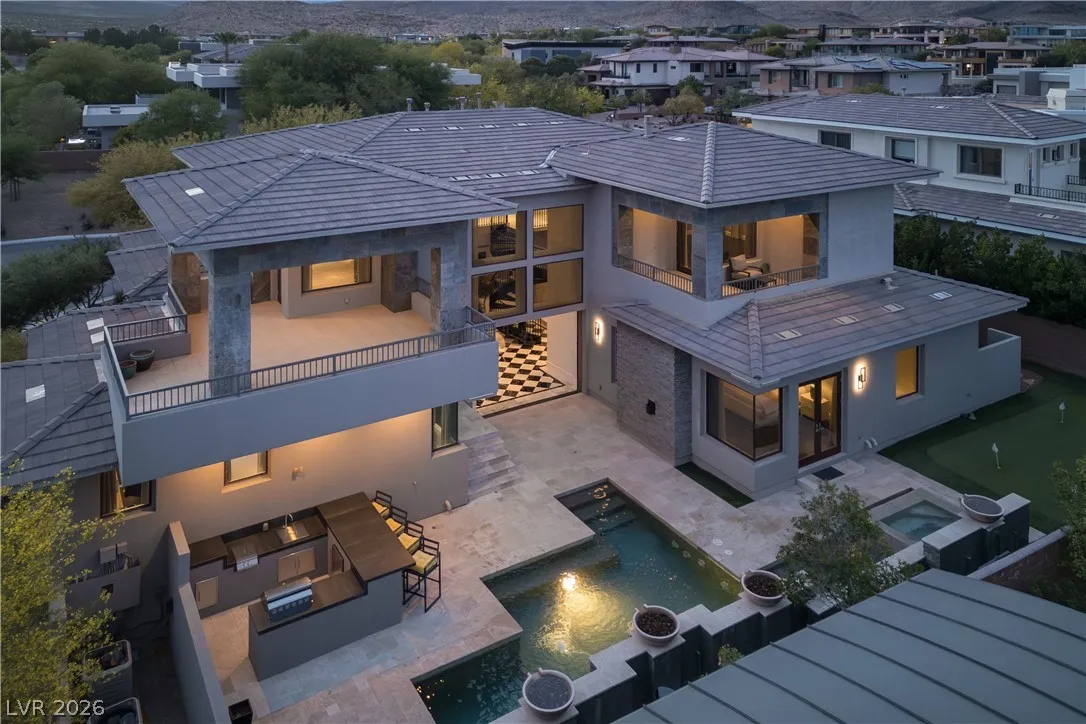
Many prospective buyers begin their search for a property in a new area with the assumption that the process is entirely driven by online listings. The logic seems sound: you filter by your preferred criteria, browse photos, and identify the homes that fit your needs. However, the reality of the market is far more nuanced than a simple search-and-browse exercise. Understanding the landscape of Las Vegas homes for sale requires looking past the digital display to see how the local market actually functions for those who are actively searching.
Why online filters often provide an incomplete picture
While digital platforms are useful for gauging current market trends, they often fail to capture the subtle elements that define the value of a property. An online search might show a long list of available Las Vegas homes for sale, but it cannot convey the character of a neighborhood, the history of property maintenance, or the underlying conditions that influence whether a house is truly a good fit for a buyer’s long-term goals.
Many people find that they spend a significant amount of time focusing on specific features they see in photographs, only to discover that those features may not represent the most critical aspects of homeownership in this region. The factors that truly influence a buyer’s satisfaction such as how a home handles seasonal shifts, the reliability of local infrastructure, or the potential for future adaptability are rarely visible on a screen. Relying solely on these digital snapshots can lead to a narrow view that misses the broader potential of the market.
The role of a professional in navigating the regional market
Because the process of purchasing a home is a complex series of negotiations and technical evaluations, many buyers choose to engage a Las Vegas real estate agent to provide clarity. The value of this partnership is typically found in the experience they bring to the table regarding the local market environment.
A knowledgeable professional does more than provide access to property records. They help buyers think through the logistical trade-offs that come with any significant purchase. For example, they can assist in evaluating how different types of properties might align with a buyer’s desired lifestyle, what typical maintenance patterns look like for homes in the area, and how to approach the formal steps of making an offer with confidence. This guidance is particularly useful when buyers are unfamiliar with the specific nuances that influence property values in this part of the country.
Distinguishing between aesthetic appeal and structural soundness
It is common for buyers to be drawn to a home’s curb appeal or interior design. While these elements are important for long-term comfort, they are often secondary to the structural and functional health of the property. Discerning the difference between a house that looks good and one that is well-built is a skill that develops through repeated exposure to different types of construction and historical maintenance patterns.
When looking at potential properties, it is helpful to ask a professional how to evaluate a home’s mechanical systems, the condition of major structural elements, and whether there are indicators that suggest the property has been cared for properly. A professional can help you formulate questions for inspectors or contractors, ensuring that you have a comprehensive understanding of what you are investing in before committing. This approach shifts the focus from simple aesthetics to a more balanced assessment of long-term value.
Reframing the path to home ownership in a dynamic environment
The most effective way to view the hunt for a new home is not as a sprint to find the perfect listing, but as an iterative process of learning and discovery. Your initial preferences are likely to shift as you gain a better understanding of what the local market offers and what your specific needs are in practice.
Rather than trying to find a home that fits a rigid list of criteria, many successful buyers find it helpful to remain open to the insights they gather from visiting homes and speaking with professionals. This might involve re-evaluating the trade-offs between different locations or reconsidering how much time and energy you are willing to dedicate to future renovations versus finding a property that is move-in ready.
By centering your search around informed decision-making rather than immediate acquisition, you create the space to find a property that aligns with your reality. The goal is to move beyond the frustration of searching through endless listings and toward a strategy that prioritizes transparency, thorough evaluation, and a clear understanding of the local market dynamics. Whether you are searching for a starter property or a long-term residence, focusing on the quality of your information and the reliability of your advisory network is the most dependable way to navigate the options available in the area.