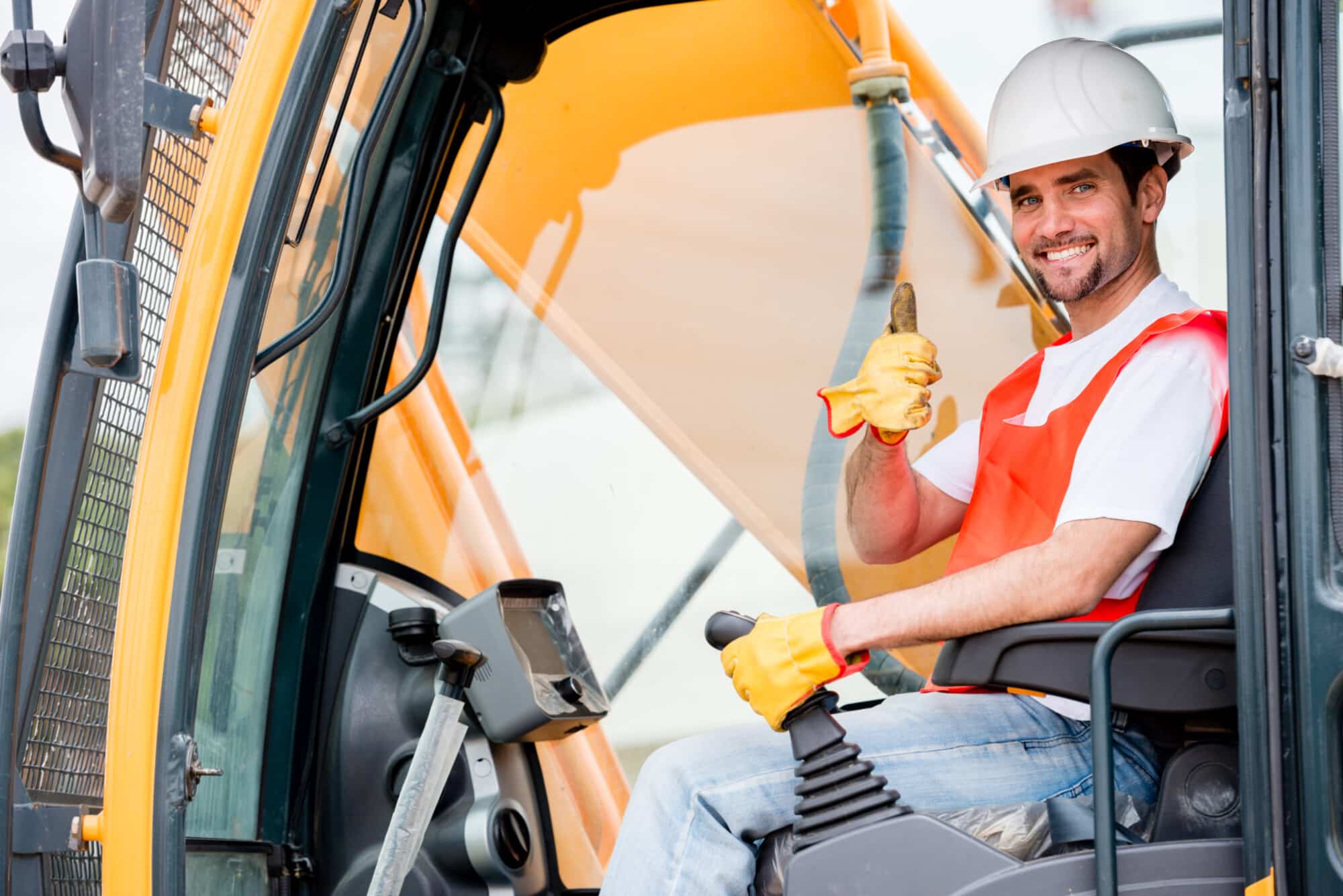
Efficiency, precision, and power are essential for construction and infrastructure. Renting heavy machinery allows companies to meet their demands while not stretching their budgets. Many contractors and project managers prefer to rent heavy machinery for short-term residential projects or long-term commercial developments.
What is heavy-equipment rental, and is it right for your company? Let’s examine the basics.
What Is Heavy Equipment Renting?
Heavy equipment rental refers to renting construction machinery or tools for a specified period rather than purchasing the items outright. This includes everything from bulldozers or excavators to loaders, graders, or trenchers. Rental agreements range from daily to monthly or even longer, depending on the project’s scope and timeline.
The model allows companies to benefit from high-performance equipment without incurring the costs of ownership, storage, or maintenance.
Why Businesses Rent Instead Of Buy
The purchase of heavy equipment is not always feasible for small—to medium-sized businesses. The costs associated with new equipment, including repairs, licenses, and depreciation, can be hundreds of thousands of pounds.
Renting heavy equipment offers a flexible and efficient solution. It gives you access to well-maintained, modern machines without a long-term contract. Renting equipment is especially appealing for businesses with seasonal or variable work where machines are only needed temporarily.
Flexibility, Cost Efficiency, And Savings
Renting offers flexibility, which is a huge advantage. Diverse projects often require different machinery. Heavy machinery rental allows for the flexibility to change machines as needed, without having to invest in a large fleet.
The project budget can be better managed. Instead of locking their capital into machinery, companies can redirect their resources to other areas such as labor, materials, and expansion.
Maintenance And Downtime
Owning heavy equipment means you are also responsible for maintaining it. Regular maintenance, breakdowns, and unexpected repairs are all factors that can affect productivity and increase costs. Most rental companies provide maintenance and assistance services as part of the rental agreement.
This means that if there is a problem on-site, the equipment provider takes care of it, saving you time and money. It is important to minimize downtime, especially in construction, where delays impact multiple stakeholders. When you have a good rental partner on your side, you can relax knowing that help is always available.
You Can Access The Latest Technology
The technology in the construction sector is evolving quickly. New models have features that increase safety, productivity, or environmental performance.
Renting allows for the use of the most recent machinery without the burdens of obsolescence. You’re not tied to aging equipment that lacks modern efficiencies–instead, you can rent updated models as they become available. This is especially helpful in competitive bids, when project timelines and performances can influence the contract award.
Think Before You Rent
Heavy-equipment rental may be the best option for many, but there are some considerations. Consider the scope of your project, duration, and any equipment needs you may have before signing an agreement. Understand the terms of the rental agreement, including daily or monthly rates as well as transportation fees, insurance obligations, and maintenance responsibilities.
A reputable provider is also essential. Search for a firm that offers flexible options, has a reliable customer support system, and maintains its fleet. To ensure you are partnering with an honest company, read reviews, ask for references, and visit the provider’s location.
Who Benefits The Most From Heavy Equipment Rentals?
Heavy equipment rentals are not only for large construction companies. Renting heavy equipment is a common solution for landscapers. Municipal workers, demolition crews, and independent contractors also rely on it to complete their work.
Renting can be a safe way for startups or expanding businesses to scale their operations without overcommitting financially. It is also useful for peak season surges where owned equipment may already be in use. Renting enables companies to take on more work without alienating customers.
Final Thoughts
In today’s construction environment, efficiency and flexibility are important. Renting heavy equipment provides a solution to businesses that want to be competitive and maximize performance while managing costs. It gives businesses access to powerful equipment, reduces the need for maintenance, and provides flexibility that is unmatched by ownership.
Renting heavy equipment could be the solution to keeping your business going forward, even if you have a short-term project.